


-

Add: HeBei ShengShi HongBang Cellulose Technology CO.,LTD.
-

Email
13180486930@163.com -

CONTACT US
+86 13180486930
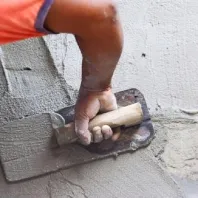
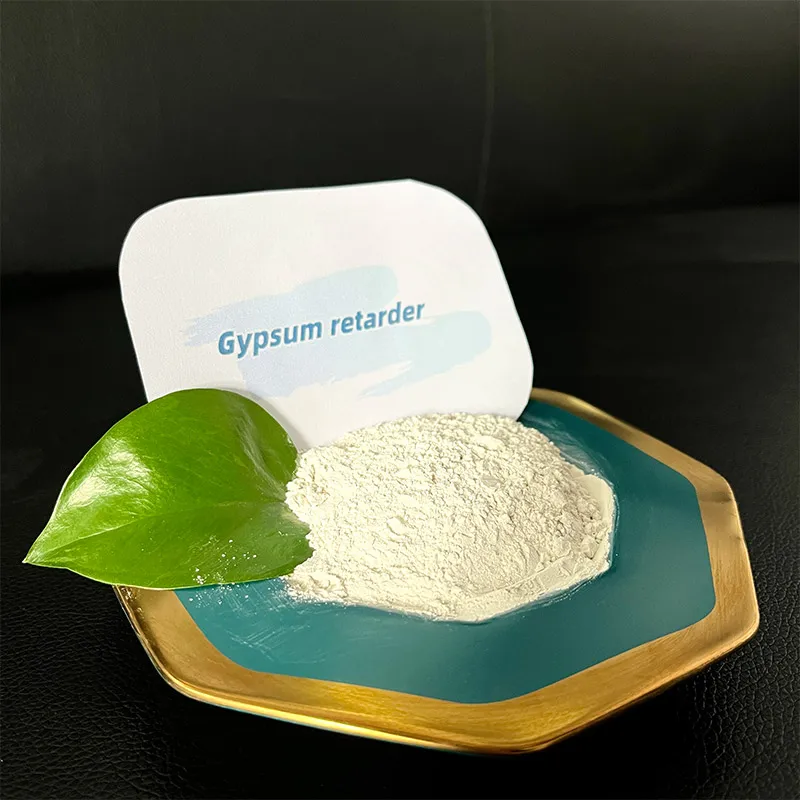
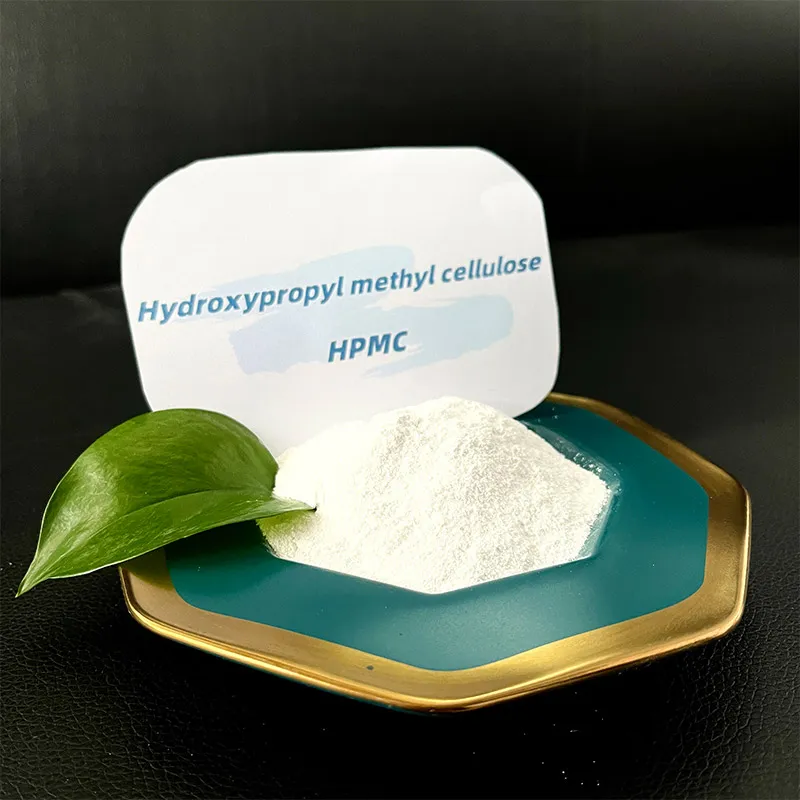
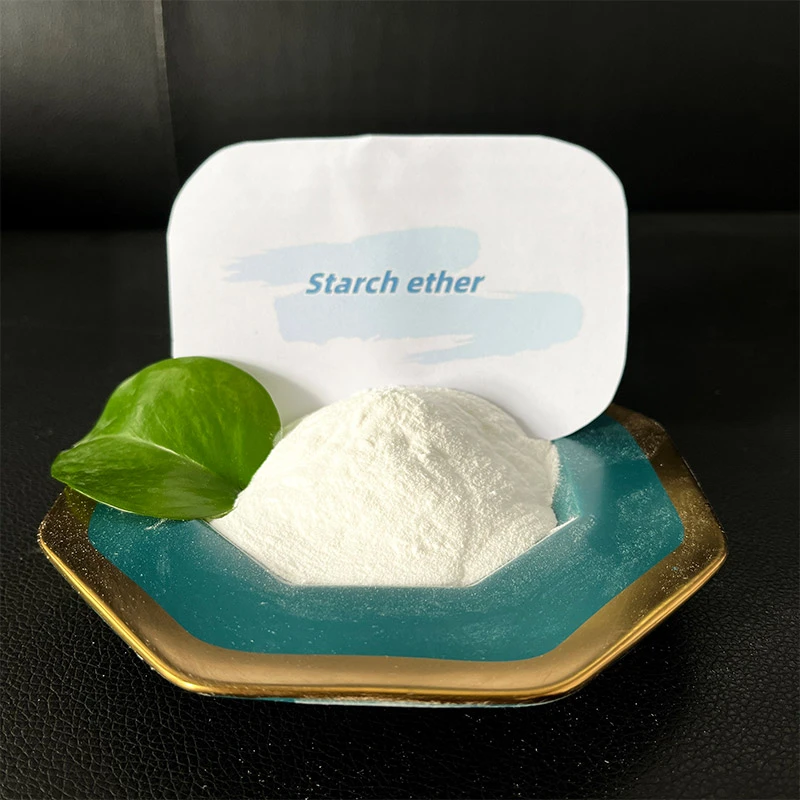
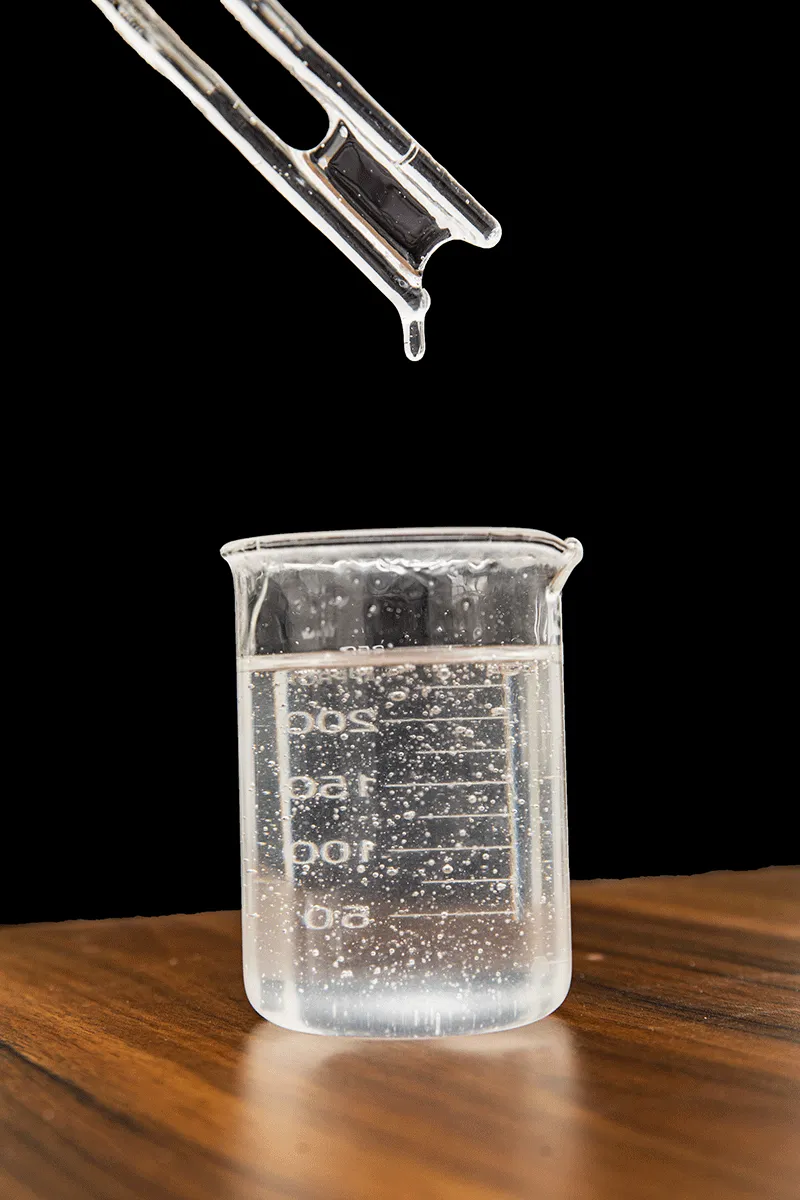
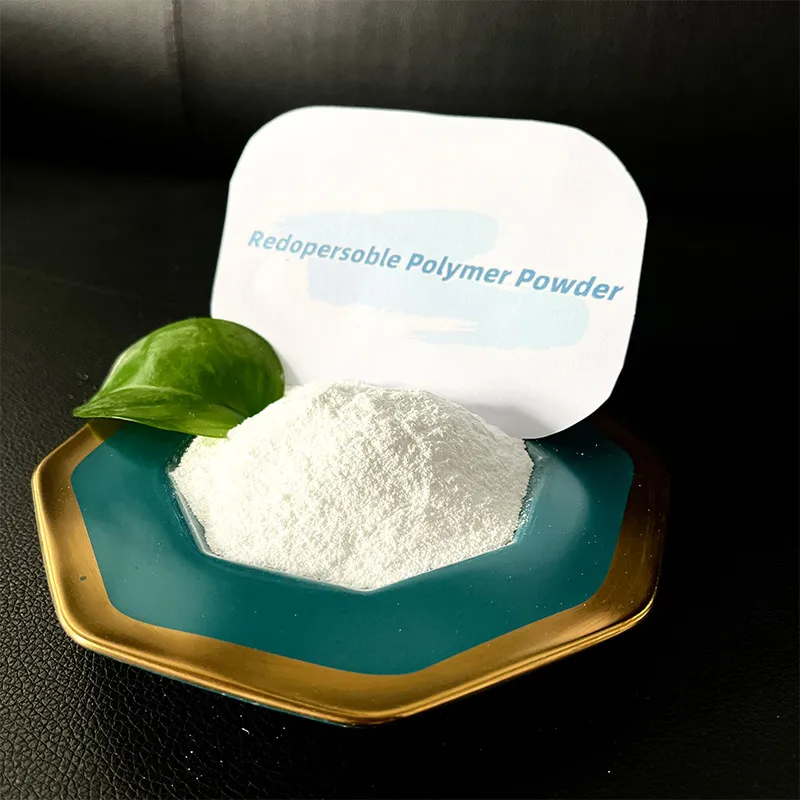


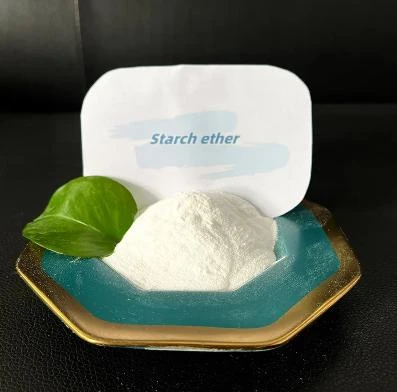
The unique behavior of starch ether in construction chemistry stems from deliberate modifications to the natural starch molecule. Derived from renewable plant sources like corn, potato, or tapioca, native starch possesses limited utility in demanding building applications due to its sensitivity to water, temperature, and enzymatic degradation. Through controlled chemical etherification – introducing alkyl or hydroxyalkyl groups (e.g., methyl, hydroxyethyl, hydroxypropyl) onto the glucose units – the resulting starch derivatives gain transformative properties. This process fundamentally alters the starch granule, enhancing water solubility, stabilizing viscosity, and imparting resistance to retrogradation (recrystallization) and enzymatic attack. Key among these starch derivatives is hydroxyethyl starch , where hydroxyethyl groups are grafted onto the backbone. This modification significantly boosts cold water solubility, improves electrolyte tolerance (crucial in cement systems), and enhances thermal stability compared to methylated counterparts. The molecular architecture dictates critical performance aspects like thickening efficiency, water retention capacity, adhesion promotion, and film formation – making starch ether a versatile and sustainable cornerstone in modern dry-mix mortars and plasters. Performance Advantages of Hydroxyethyl Starch in Mortars Hydroxyethyl starch exemplifies the optimized performance achievable within the starch ether family, offering distinct benefits for cementitious and gypsum-based systems: Superior Water Retention: Like all effective starch derivatives , hydroxyethyl starch significantly reduces water loss to porous substrates and evaporation. This ensures prolonged water availability for complete cement hydration or gypsum crystallization, preventing premature drying, plastic shrinkage cracking, weak surfaces, and poor adhesion. Its structure provides excellent film-forming ability over pore surfaces. Efficient Thickening and Rheology Control: Hydroxyethyl starch acts as a potent thickener, rapidly developing viscosity upon contact with water. This imparts desirable consistency, improving sag resistance on vertical surfaces, enhancing cohesion to reduce splatter, and providing smooth, buttery workability for troweling. The viscosity profile is often more stable under varying pH and salinity compared to some other starch ether types. Enhanced Adhesion and Cohesion: By forming flexible films at interfaces and within the mortar matrix, hydroxyethyl starch promotes stronger adhesive bonds to substrates (like concrete, brick, or insulation boards) and increases the internal cohesion of the material itself. This is vital for tile adhesives, renders, and plasters. Improved Open Time and Workability: Certain starch derivatives , particularly hydroxyethyl starch , can offer a beneficial balance between early viscosity build-up and extended workability. They help maintain plasticity and toolability longer than some cellulose ethers alone, allowing applicators more time for adjustment, especially in tile setting or large plaster areas. Synergy with Other Additives: Hydroxyethyl starch often exhibits excellent compatibility with common mortar additives like cellulose ethers, redispersible polymer powders, and air-entraining agents. Distinctive Benefits of Starch Derivatives Over Synthetic Polymers While synthetic polymers dominate some sectors, starch derivatives offer compelling advantages driving their adoption in building materials: Renewable and Sustainable Origin: Derived from annually renewable plant biomass, starch ether boasts a significantly lower carbon footprint compared to petroleum-based synthetics. This aligns strongly with growing demands for sustainable construction practices and green building certifications. Biodegradability: At the end of a building's life cycle, mortars containing starch derivatives offer improved potential for biodegradation compared to purely synthetic polymer-modified materials, reducing long-term environmental burden. Cost-Effectiveness: Generally, starch ether provides a more economical solution per unit of performance, particularly regarding water retention and thickening, compared to equivalent dosages of many synthetic cellulose ethers or redispersible powders. This enables formulators to achieve target performance at lower overall additive cost. Low Dusting and Improved Handling: Many starch derivatives are available in granular or agglomerated forms, significantly reducing dust generation during handling and mixing compared to fine cellulose ether powders, improving workplace conditions. Reduced Stickiness: Mortars modified with specific starch ether types, especially some hydroxyethyl starch grades, can exhibit less surface stickiness during troweling compared to mortars heavily reliant on certain cellulose ethers, leading to a smoother finish. FAQs about Essential Starch Ether How does hydroxyethyl starch compare to standard starch ether? Hydroxyethyl starch represents a specific, high-performance category within starch ether . The key difference lies in the etherification group: hydroxyethyl versus methyl or others. This hydroxyethyl group grants hydroxyethyl starch superior cold-water solubility, better tolerance to dissolved salts and ions (common in cement systems), higher viscosity stability across a broader pH range, and often enhanced resistance to enzymatic breakdown compared to methyl starch ether. These properties make hydroxyethyl starch particularly suitable for demanding cementitious applications where consistent performance is critical. Are starch derivatives strong enough for structural applications? Starch derivatives like starch ether are primarily functional additives, not strength-enhancing agents. Their core role is to improve fresh mortar properties (workability, water retention, adhesion) and reduce cracking. While they contribute to better hydration and cohesion, which indirectly support strength development, they do not significantly increase the ultimate compressive or flexural strength of hardened concrete or mortar like specific synthetic polymers might. Their use is most valuable in non-structural applications like tile adhesives, renders, plasters, joint compounds, and repair mortars where workability and durability are paramount. Will using starch ether make my mortar biodegradable? Incorporating starch ether enhances the potential for biodegradability compared to mortars relying solely on synthetic polymers. The starch derivatives component is inherently biodegradable under suitable environmental conditions (presence of microorganisms, moisture, oxygen). However, the mortar matrix itself, dominated by cement or gypsum and aggregates, is mineral-based and degrades very slowly through physical and chemical weathering, not biological processes. Therefore, while the organic additive fraction biodegrades more readily, the entire mortar piece does not become "biodegradable" in the common sense. It contributes to a reduced environmental footprint but doesn't eliminate the need for responsible demolition and disposal practices. Can starch ether completely replace cellulose ether? While starch ether , particularly hydroxyethyl starch , offers overlapping functionalities with cellulose ethers, complete replacement is often not straightforward or optimal. Starch derivatives excel in water retention and are highly cost-effective thickeners. However, cellulose ethers frequently provide superior film strength, better enzyme resistance in cement, and more predictable retardation profiles. The most effective strategy is often synergistic blending. Starch ether can replace a significant portion of the cellulose ether in many formulations, maintaining key performance aspects like water retention and workability while achieving substantial cost savings and leveraging sustainability benefits. The optimal ratio depends heavily on the specific application and performance requirements. Does temperature significantly affect starch ether performance? Yes, temperature significantly impacts starch ether performance. High ambient temperatures accelerate the setting of cementitious materials and increase water evaporation rates. The unique properties of starch ether , exemplified by specialized variants like hydroxyethyl starch , have secured its vital role in modern, sustainable building material formulations. As a key category of starch derivatives , it delivers indispensable functions: exceptional water retention safeguarding against cracking and ensuring proper hydration, efficient thickening for superior workability and sag resistance, and enhanced adhesion for durable bonds. Its renewable origin and biodegradability profile offer a compelling environmental advantage over purely synthetic alternatives, aligning with the construction industry's increasing sustainability mandates.
- 40000tons

Production
- 20+years

Experience
- 5000+㎡

Acreage

-
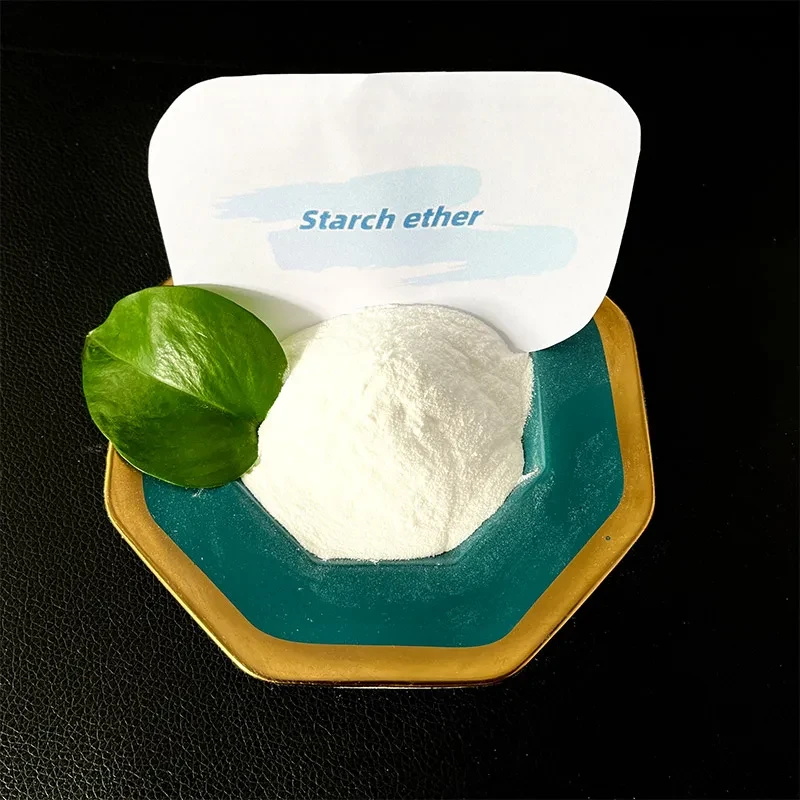
Hydroxypropyl Methylcellulose, commonly referred to as HPMC, is a multi-faceted cellulose-based polymer that’s extensively utilized across a multitude of industries. When speaking specifically about HPMC K4M, it references a grade of HPMC that appears prominently in several sectors, notably pharmaceuticals, food, construction, and cosmetics. The “K4M” designation speaks to the viscosity measurement—it is an integral feature that defines its application capabilities and functional advantages. Within pharmaceuticals, HPMC K4M stands as a pillar due to its controlled release capabilities, making it indispensable in formulating sustained-release drugs. As a viscosity agent, it retards the dissolution rate of drugs, offering a way to manage dosage releases over extended periods. Experience within this realm underscores its stability and efficiency. Researchers and formulators appreciate HPMC K4M's ability to maintain stable drug release profiles, even under extreme environmental conditions, thus qualifying it as a reliable excipient. Its inherent degree of consistency in pharmaceutical applications ensures patients benefit from trusted medication performance, marrying both expertise and trustworthiness in pharmaceutical engineering. In the construction industry, HPMC K4M serves as an essential additive for tile adhesives and plaster. Its expertise is demonstrated through its abilities as a thickening agent; it imparts crucial water retention and workability to cement mixes. Construction professionals frequently cite HPMC K4M's influence on consistency during application, ensuring even distribution of materials with reduced risk of cracking or shrinkage. This attribute reflects the authoritativeness of HPMC K4M in construction, triangulated by decades of field application that underline how fundamental it is for creating robust, durable surfaces. The food industry leverages HPMC K4M for its stabilizing and emulsifying properties . It offers culinary solutions, particularly in maintaining the integrity of sauces, dressings, and toppings. As a food additive, it provides a sense of trust for manufacturers aiming to achieve specific textures or moisture levels without compromising on quality or safety. Expertise in food science continually validates HPMC K4M due to its non-toxic, non-allergenic nature, effectively demonstrating its aptitude in satisfying industry standards related to consumer health and safety. hpmc k4m full form In cosmetology, HPMC K4M's role as a thickening, emulsifying, and stabilizing agent cannot be overemphasized. Cosmetic formulations reliant on moisturizing solutions frequently include HPMC K4M for its consistent performance in product stability and texture, enhancing user experience. This agent's inclusion transforms ordinary skincare items into luxurious applications with consistent texture and spreadability, fostering consumer trust through reliable product performance. Thus, with an established reputation throughout various industries, HPMC K4M's contributions are multi-dimensional—ranging from the pharmaceutical sector's demand for precision and control to construction's need for material stability, the culinary arts' quest for consistent quality, and the cosmetic industry's innovation for texture and feel. It is precisely its adaptability and proven reliability that affirm HPMC K4M's position as a product derived from decades of expertise and experience. The momentous role of HPMC K4M as an industry staple underscores not just its versatility, but also its foundational reliability meticulously crafted through precise scientific engineering and comprehensive application studies. Informed stakeholders consistently rely on this particular grade of HPMC, evidenced by its longstanding integration into myriad applications where tensile reliability and performance trust are not merely advantageous, but essential. In crafting solutions where longevity, efficiency, and safety intersect, HPMC K4M emerges as a pivotal component deservedly respected across sectors. Each instance of its application points toward an undeniable synergy between innovative material science and practical industry demands, cementing its perpetuity as both a modern marvel and a future-oriented choice in material augmentation.
-
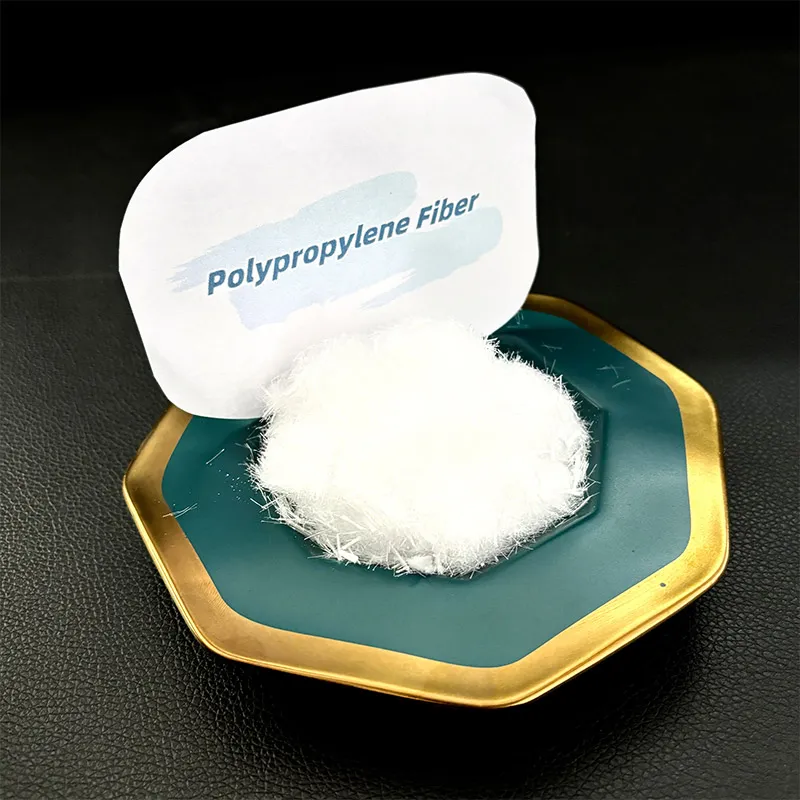
When we think of modified starch , it’s often associated with food and textiles, but its applications go far beyond those sectors. In the industrial and construction fields, modified starch plays an essential role, particularly in improving the performance and durability of various materials. From enhancing the properties of building products to aiding in construction processes, starch ether for construction has become a versatile additive. This article will delve into the modified starch uses in industrial buildings, showcasing the wide range of benefits it offers to the construction industry. Types of Modified Starch for Industrial Construction Modified starch is not a one-size-fits-all solution. There are various types of modified starch designed for specific applications within the construction industry. These modifications often involve chemical processes such as esterification, etherification, or cross-linking, which alter the starch’s properties for better performance. For example, starch ether for construction is specially designed to improve the rheological properties of cement-based products and other construction materials. These starches can be tailored to provide better viscosity control, improve adhesion, or enhance water retention. For industrial buildings, the types of modified starch used include starches modified for specific performance traits. Some types are better for use in adhesive formulations, others for gypsum or cement mixtures, and some are ideal for improving the texture and workability of plaster or mortar. With these versatile types of modified starch, manufacturers can meet the diverse needs of the construction industry by providing products that are strong, durable, and easy to apply. Starch Ether for Construction Starch ether for construction is a key innovation in the construction sector. It is used to modify the properties of cement, plaster, and mortar to achieve desired results in terms of consistency, water retention, and bonding strength. The role of starch ether in construction materials is vital, as it enables manufacturers to create more efficient and workable products, which ultimately leads to better construction outcomes. For example, starch ether for construction can help increase the spreadability and uniformity of plaster, making it easier to apply and reducing the chances of air pockets or bubbles. Additionally, these modified starches can improve the workability of self-leveling floor compounds and tile adhesives, which are essential in modern industrial building projects. The ability to modify the properties of cement and mortar with starch ether helps construction companies streamline their processes and improve the quality of their finished structures. Starch Ether Manufacturers in the Construction Industry The growing demand for starch ether in construction materials has led to the emergence of numerous starch ether manufacturers who specialize in creating tailored products for the construction industry. These manufacturers use advanced technologies to modify starch, providing customers with a wide range of options to suit their specific needs. As the construction industry moves toward more sustainable and efficient building practices, starch ether manufacturers are continuously improving their products to ensure they meet evolving standards. By focusing on creating more eco-friendly, cost-effective, and high-performing starch ethers, these manufacturers are playing a crucial role in the transformation of industrial building materials. Their products are increasingly being used in everything from lightweight concrete to high-performance adhesives, showcasing the versatility and importance of starch ether in modern construction. Benefits of Using Modified Starch in Industrial Construction The use of modified starch in industrial construction offers a wide array of benefits. By enhancing the properties of construction materials, these starches contribute to the strength, durability, and functionality of buildings and structures. Modified starch offers improved water retention, which is essential for the workability of plaster, mortar, and cement mixtures. This allows construction workers to apply the materials more easily and with greater precision. Another key benefit is the enhanced adhesion and bonding strength provided by starch ether for construction . This ensures that materials such as tiles, plaster, and adhesives stay securely in place, reducing the likelihood of cracking, peeling, or separation over time. Additionally, modified starch can help improve the texture and finish of construction materials, providing a smoother and more aesthetically pleasing result. As a result, buildings made with materials containing modified starch are more resilient and visually appealing. The Future of Modified Starch Uses in Construction The future of modified starch in construction looks promising. As the industry continues to evolve, the demand for sustainable and high-performance materials is increasing. Starch ether for construction has already proven its value, and future innovations in starch modification will likely enhance its application even further. Researchers are exploring ways to make modified starch more versatile, such as creating starch-based products that offer even better moisture resistance, increased fire retardancy, and improved environmental impact. The role of modified starch will only grow as construction companies and manufacturers embrace green building practices. Starch is a renewable resource, making it an ideal choice for companies looking to reduce their carbon footprint and produce more sustainable building materials. As more and more starch ether manufacturers develop eco-friendly products, the use of modified starch will become an integral part of the construction industry's move toward sustainability. Modified Starch FAQs What is modified starch and why is it used in construction? Modified starch refers to starch that has been chemically altered to enhance its properties. In construction, it is used to improve the workability, adhesion, and water retention of materials like plaster, mortar, and cement. What are the benefits of using starch ether in construction? Starch ether for construction offers improved workability, better adhesion, and enhanced water retention in construction materials. It helps improve the performance and durability of plaster, mortar, adhesives, and other building materials. Who are the leading starch ether manufacturers in the construction industry? There are many reputable starch ether manufacturers specializing in producing modified starch for construction. These manufacturers focus on delivering high-performance, eco-friendly, and cost-effective starch ether products tailored to the needs of the construction industry. Can modified starch improve the quality of plaster and cement? Yes, modified starch significantly improves the quality of plaster and cement. It enhances water retention, which allows for better workability, and improves adhesion, ensuring that these materials stay intact over time. Is modified starch environmentally friendly? Yes, modified starch is an environmentally friendly material. It is derived from renewable resources like corn, wheat, or potatoes, making it a sustainable option for construction applications. Moreover, starch-based products are biodegradable and have minimal environmental impact compared to synthetic alternatives. Investing in modified starch for your construction projects can significantly improve the quality and performance of your materials while promoting sustainability. Explore our range of starch ether for construction products and see how they can enhance your building processes. Visit our website today to learn more and purchase high-quality starch ether that meets your specific construction needs.
advantages
-

200000 Viscosities
Excellent product
We can produce pure products up to 200,000 viscosities
-

40000 tons
High yield
We don’t stop production all year round, and the annual output can reach 40,000 tons
-

24 hours
Quality service
We provide 24-hours online reception service, welcome to consult at any time
———— Inquiry Form
Schedule A services
-
 hydroxyethyl_starch_hes
Oct . 25, 2025
Hydroxypropyl methylcellulose (HPMC) is a versatile and reliable polymer commonly adopted in various -
 produsen_pati_eter
Oct . 25, 2025
Hydroxypropyl methylcellulose (HPMC) is a versatile compound commonly used in various industries, ra - orlon_acrylic
Oct . 25, 2025
Methocel F4M, a popular brand of hydroxypropyl methylcellulose (HPMC), stands out as an essential in


